


Why Did My Coturnix Quail Stop Laying Eggs in Summer and How to Get Them Back on Track
A sudden drop in quail eggs during summer can feel confusing, especially when the flock was laying well just a week or two earlier. Coturnix quail are usually dependable layers, but they are also small birds with fast metabolisms. Heat, stress, feed changes, lighting shifts, and health problems can affect them quickly.
The good news is that a summer laying slowdown is often fixable once the cause is clear. Start by looking at what changed recently. Did the weather spike? Did you switch feed? Are the birds panting? Are they molting? Did a predator scare them at night? Small clues can point to the answer.

Summer heat is often the biggest reason quail stop laying
Coturnix quail can handle a range of weather, but high heat can hit them hard. When temperatures rise, their bodies shift energy away from egg production and toward staying alive. Laying an egg takes water, protein, calcium, and energy. In hot weather, a quail may use those resources just to cool down.
Heat stress is especially likely when daytime temperatures climb into the upper 80s or 90s °F, and risk rises when humidity is high or airflow is poor. Birds in solid-sided hutches, crowded cages, greenhouses, garages, sheds, or pens in direct afternoon sun may struggle even when the outside temperature does not look extreme.
Common signs of heat stress include:
Panting or open-mouth breathing
Wings held away from the body
Lethargy or sitting low
Reduced appetite
Loose droppings from drinking more water
Fewer eggs, thin shells, or no eggs
Birds gathering near water or shade
A short heat wave may cause a temporary dip. Longer heat stress can stop laying for weeks, especially if the birds lose body condition.
How to cool coturnix quail safely
The goal is not to make the pen cold. It is to help birds stay comfortable and hydrated.
Try these heat-relief steps:
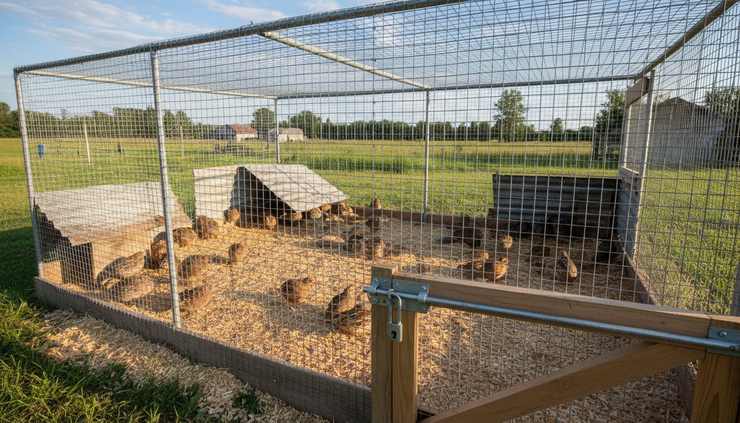
Give deep shade all day
Shade cloth, tarps, roofing panels, trees, or covered runs can help. Pay close attention to afternoon sun, which is often the harshest.
Improve airflow
Wire sides, open vents, and safe fans can reduce trapped heat. If using a fan, make sure cords are protected and birds can move away from direct airflow.
Offer cool, clean water
Replace warm water during the hottest part of the day. Use multiple waterers so timid birds are not pushed away.
Use frozen water bottles
Place sealed frozen bottles near the birds, not as their only cooling option. Some quail will sit beside them.
Avoid handling during peak heat
Weighing, moving, trimming, or checking birds is less stressful in the morning or evening.
Reduce crowding
Crowding traps heat and increases stress. More space also helps birds access feed and water without fighting.
Never soak quail in cold water as a routine cooling method. Sudden chilling can cause more stress. A shallow pan with cool water may help some setups, but keep it clean and shallow enough to avoid risk.
Diet changes can quietly slow egg production
Egg laying depends on nutrition. During summer, quail may eat less because heat suppresses appetite. That means even if the feed is good, each bird may consume less protein, calcium, and energy than usual.
Coturnix hens usually lay best on a high-protein game bird or quail layer feed. Many chicken layer feeds are lower in protein than quail need. A flock that was laying well in spring may slow down in summer if the birds eat less of an already borderline ration.
Feed changes that can reduce laying include:
Switching to a lower-protein feed
Offering too many treats
Running out of feed at times
Feeding stale or damp feed
Not offering enough calcium to active layers
Competition at feeders
Feeders placed in hot, exposed areas
Treats are a common summer mistake. Cucumbers, greens, melon, and mealworms can be useful in small amounts, but they should not replace a balanced ration. Quail fill up fast. If treats crowd out their main feed, egg production can drop.
What to feed when egg laying slows
Start with the basics. Give a fresh, balanced feed designed for quail or game birds, and keep it available during the cooler parts of the day. Many birds eat more early in the morning and later in the evening when temperatures ease.
Helpful nutrition steps include:
Keep the main feed consistent
Sudden feed switches can upset intake. If changing feeds, transition over several days when possible.
Place feed in shade
Birds are more likely to eat when they do not have to stand in direct sun.
Limit treats
Keep extras small. The regular ration should make up most of the diet.
Support shell quality
If hens are laying thin-shelled eggs, offer crushed oyster shell or another poultry calcium source in a separate dish. Do not force extra calcium on young birds or males through the main feed unless the product is meant for the whole flock.
Check feed freshness
Summer heat and humidity can spoil feed faster. Discard feed that smells musty, looks clumpy, or has been wet.

Lighting and day length still matter in summer
Coturnix quail lay best when they receive long, steady days of light. Many keepers think summer automatically solves the lighting problem because days are longer. Often it does, but not always.
A laying dip can happen if the birds are kept in a dim shed, garage, stacked cage system, shaded corner, or covered pen that blocks much of the daylight. Summer storms, smoky skies, heavy tree cover, or moving the pen to a darker spot can also change the light they receive.
Quail do not need harsh light, but they do need a reliable day-night rhythm. Too little light can slow laying. Too much light or constant light can stress birds and interfere with rest.
For many laying setups, about 14 to 16 hours of light supports production. If natural light is not enough, a soft timer-controlled light can help. Avoid sudden changes, bright lights shining all night, or lights that make the pen hotter.
How to adjust light without stressing the flock
If you suspect light is part of the problem, make changes slowly.
A simple lighting check:
What to check | What it may mean | What to do |
Birds are in a dark shed most of the day | Not enough light for steady laying | Add safe, gentle lighting on a timer |
Lights stay on all night | Poor rest and higher stress | Create a dark sleep period |
Pen moved under dense shade | Cooler, but possibly too dim | Balance shade with indirect light |
Egg drop followed a lighting change | Birds reacted to the shift | Return to a steady schedule |
Use lighting to create consistency, not pressure. If the birds are already heat stressed, fixing heat and water should come before adding more artificial light.
Stress can shut down laying fast
Quail are prey animals. They may look calm, but stress affects them quickly. A scare, move, injury, bullying problem, or predator visit can cause hens to stop laying even if food and light are fine.
Summer brings several stress triggers:
More predators moving at night
Loud thunderstorms or fireworks
Children, dogs, or cats near the enclosure
Flies and biting insects
Overcrowding as young birds mature
Aggressive males
Frequent handling or pen changes
Poor ventilation and ammonia buildup
Wet bedding after summer storms
A hen may also stop laying if she is molting. Molting is the process of replacing feathers, and it takes protein and energy. During a molt, egg production often slows or stops. You may see loose feathers, patchy areas, or new pin feathers. This is normal, but the bird still needs good feed and low stress.
Make the pen feel safer
A calm pen supports laying. Look for problems from the bird’s point of view. Can quail hide from each other? Can they escape a pushy male? Are predators walking around the cage at night? Does rain blow into the bedding?
Good stress-reduction steps include:
Add visual barriers such as grass mats, low hides, or safe branches
Keep a stable group when possible
Separate injured or bullied birds
Check male-to-female balance
Secure the pen against raccoons, snakes, rats, cats, and dogs
Keep bedding dry and remove strong-smelling waste
Avoid big setup changes during heat waves
Coturnix quail often lay better when their routine is boring. Same feed, same lights, same safe pen, same calm handling.
Health issues can look like a laying problem at first
Sometimes fewer eggs are the first sign that something is wrong. A hen that feels unwell may stop laying before other symptoms become obvious. Heat can also make mild health problems worse.
Watch for signs such as:
Weight loss or a sharp breastbone
Fluffed feathers
Sitting alone
Limping or trouble walking
Swollen eyes or discharge
Dirty vent feathers
Blood, worms, or unusual droppings
Labored breathing
Repeated soft-shell or shell-less eggs
A hen straining or looking uncomfortable
Egg binding is an emergency concern. A hen that cannot pass an egg may appear hunched, weak, or strained. If you suspect egg binding, contact a poultry-aware veterinarian or experienced local poultry keeper quickly.
Parasites can also reduce laying. Mites, lice, and internal parasites may drain energy and lead to poor condition. Check birds at night with a flashlight for mites, especially around the vent and under wings. Keep the enclosure clean and dry, and treat confirmed problems with poultry-safe methods.
This article is informational and cannot diagnose a flock. If birds are weak, dying, injured, or showing severe symptoms, get qualified help as soon as possible.
How to troubleshoot a summer egg slump
When coturnix quail stop laying, tackle the most likely causes first. Heat, water, feed, and stress are the big four. A simple checklist can keep the process from feeling overwhelming.
Start with these questions:
Did the temperature rise right before laying dropped?
If yes, focus on shade, airflow, water, and crowding.
Are all birds eating well?
Watch them at the feeder. Shy hens may not get enough if the group is crowded.
Has the feed changed?
Check the protein level, freshness, and whether treats increased.
Did the lighting change?
Think about pen moves, shed lighting, storms, shade cloth, and timers.
Is anything scaring or bothering them?
Look for predator signs, aggressive birds, insects, noise, or recent handling.
Do any birds look sick or thin?
Pick up a few birds in the cool part of the day and feel body condition gently.
Make one or two changes at a time when possible. If you change everything at once, it becomes harder to know what helped. That said, fix urgent heat or water problems right away.
A practical plan to get eggs coming again
Most flocks recover best with steady care over several days or weeks. Egg production may not bounce back overnight, especially if hens lost weight, molted, or went through heavy stress.
Use this plan as a starting point:
Day 1 and 2
Focus on immediate comfort.
Move the pen into shade or add shade cloth
Refresh water often and add extra water stations
Check that every bird can reach food and water
Remove spoiled feed
Clean wet bedding
Watch for panting, bullying, or sick birds
Day 3 to 7
Support nutrition and routine.
Feed a consistent quail or game bird ration
Place feed and water in the coolest practical area
Reduce treats to small amounts
Offer calcium separately for laying hens
Keep handling brief and calm
Check the enclosure after dark for predator activity or mites
Week 2 and beyond
Fine-tune the setup.
Keep a steady light schedule
Improve ventilation if the pen traps heat
Reduce crowding if birds are packed tightly
Separate aggressive males or injured hens
Track eggs daily so you can see progress
A small notebook can help. Record temperature, feed changes, lighting changes, and egg count. Patterns often show up after a week.

What recovery usually looks like
A flock recovering from summer stress often improves gradually. First, birds act more comfortable. They eat better in the morning and evening. Droppings become more normal. Shell quality may improve. Then eggs start appearing again.
Do not be discouraged if the first few eggs are odd. After a break, hens may lay smaller eggs, thin-shelled eggs, or irregular eggs for a short time. If the birds are otherwise healthy and conditions are stable, production often evens out.
Some hens may not return to peak laying until the weather cools. Age also matters. Older coturnix hens naturally lay less than young hens, and summer stress can make that decline more noticeable.
The key is to give them what their bodies need to lay again: cooler conditions, clean water, balanced feed, steady light, and a safe routine. When those pieces come together, many coturnix quail get back on track and reward the care with a steadier basket of eggs.


Comments